Three lakes, 145 kilometres of coast, and a lot fewer crowds than you'd expect
The Great Lakes region runs from Tea Gardens in the south to Seal Rocks and Bulahdelah in the north, built around Wallis Lake, Smiths Lake and the Ramsar-listed Myall Lakes. This is where to start planning.
A region built around water
Most visitors land in Forster-Tuncurry first, but the Great Lakes name covers a lot more ground than the twin towns on Wallis Lake.
Forster and Tuncurry sit at the northern mouth of Wallis Lake, joined by a bridge across the channel where the lake meets the Tasman Sea. Head south along The Lakes Way and you'll pass Smiths Lake and the turn-off to Pacific Palms before reaching the Myall Lakes system near Bulahdelah, a triple-lake network recognised under the Ramsar Convention since 1999 for its largely unmodified wetlands. Further south again, Tea Gardens and Hawks Nest mark the southern edge of the region, sitting across the water from Port Stephens.
It's a region defined less by any single attraction and more by what you can do across all of it: paddle a quiet backwater in the morning, eat oysters pulled straight from the lake at lunch, and watch the sun go down from a national park lookout. Inland, Bulahdelah and Stroud add a hinterland and heritage layer to a region most people only picture as coastline.
Explore by place
Six base areas, each with a different pace and a different reason to stay.

Forster & Tuncurry
The region's main hub, twin towns split by Wallis Lake and joined by a bridge, with beaches on both ocean and lake sides.
Visit Forster & Tuncurry →
Tea Gardens & Hawks Nest
The southern gateway to the region, facing Port Stephens across the Myall River mouth, popular for dolphin-watching boat trips.
Visit Tea Gardens & Hawks Nest →
Pacific Palms
A quieter stretch of coast south of Forster with some of the area's best surf beaches and lake-edge sunset spots.
Visit Pacific Palms →
Seal Rocks
A small, low-key headland village with the Sugarloaf Point Lighthouse and a coastline that turns dramatic when the swell is up.
Visit Seal Rocks →
Bulahdelah
The inland turn-off point for the Myall Lakes and Myall Lakes National Park, with the region's tallest known tree nearby.
Visit Bulahdelah →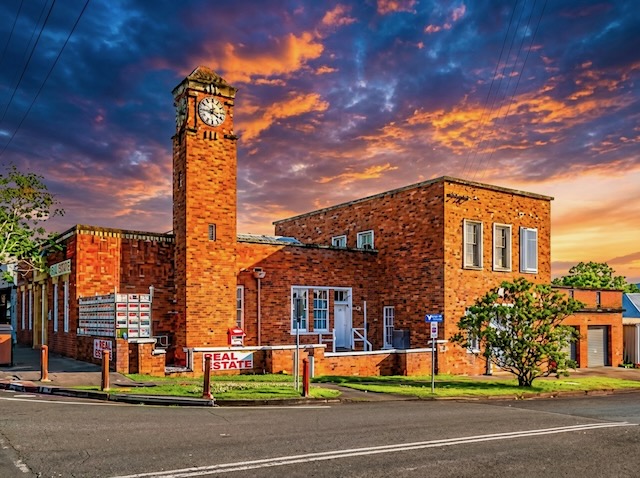
Stroud
A historic hinterland village west of the lakes system, with a different, rural side of the Great Lakes story to tell.
Visit Stroud →The lakes that give the region its name
Three connected systems, each with its own character.

Wallis Lake
The largest of the three at roughly 99 square kilometres, bordering Forster-Tuncurry and known for oyster farming, fishing and resident dolphins.
About Wallis Lake →
Smiths Lake
A smaller coastal lake near Pacific Palms, separated from the ocean by a narrow sandbar beach.
Explore Outdoors →
Myall Lakes
A Ramsar-listed wetland system near Bulahdelah, made up of Myall Lake, Boolambayte Lake and the Bombah Broadwater, set within Myall Lakes National Park.
About Myall Lakes →Top things to do
- Cross between Forster and Tuncurry on foot for lake views from the bridge in both directions.
- Take a dolphin or wildlife cruise on Wallis Lake or out of Tea Gardens, where bottlenose and common dolphins are regularly sighted.
- Walk a national park track in Booti Booti or Myall Lakes National Park, ranging from short lookout walks to longer coastal routes.
- Try the local oysters — Wallis Lake is one of the country's larger Sydney rock oyster producing waters.
- Drive or cycle The Lakes Way between Forster and Bulahdelah, with detours to Smiths Lake and Pacific Palms along the route.
- Visit Sugarloaf Point Lighthouse at Seal Rocks for one of the most dramatic headlands on this stretch of coast.
Good to know before you go
Getting here: The region sits roughly 3 hours north of Sydney via the Pacific Highway, with Forster-Tuncurry as the main entry point and Tea Gardens/Hawks Nest reachable from the Pacific Highway via Bulahdelah or via the road and ferry route through Port Stephens.
When to visit: Summer (December–February) is the busiest period with warm conditions for swimming and boating; the shoulder months either side are quieter with milder weather, and winter is mild but cooler, suited to walking and lookout visits rather than swimming.
Visitor information centres: The main centre is at 4 Lake Street, Forster (phone 1800 802 692; Mon–Fri 9am–4:30pm, Sat–Sun 9am–2pm). A volunteer-staffed centre also operates at 217 Boomerang Drive, Blueys Beach (Pacific Palms), phone (02) 6554 0123.
Plan your visit further
Travel Info
Getting to and around the Great Lakes region, including road routes and seasonal considerations.
Travel Info →Heritage & Culture
The Worimi history of the region and its more recent European settlement story.
Heritage & Culture →